
























ICYMI: Leading the Human+AI workforce
Mar 27, 2026 · 6 min read · By Klil Nevo
The playbook series
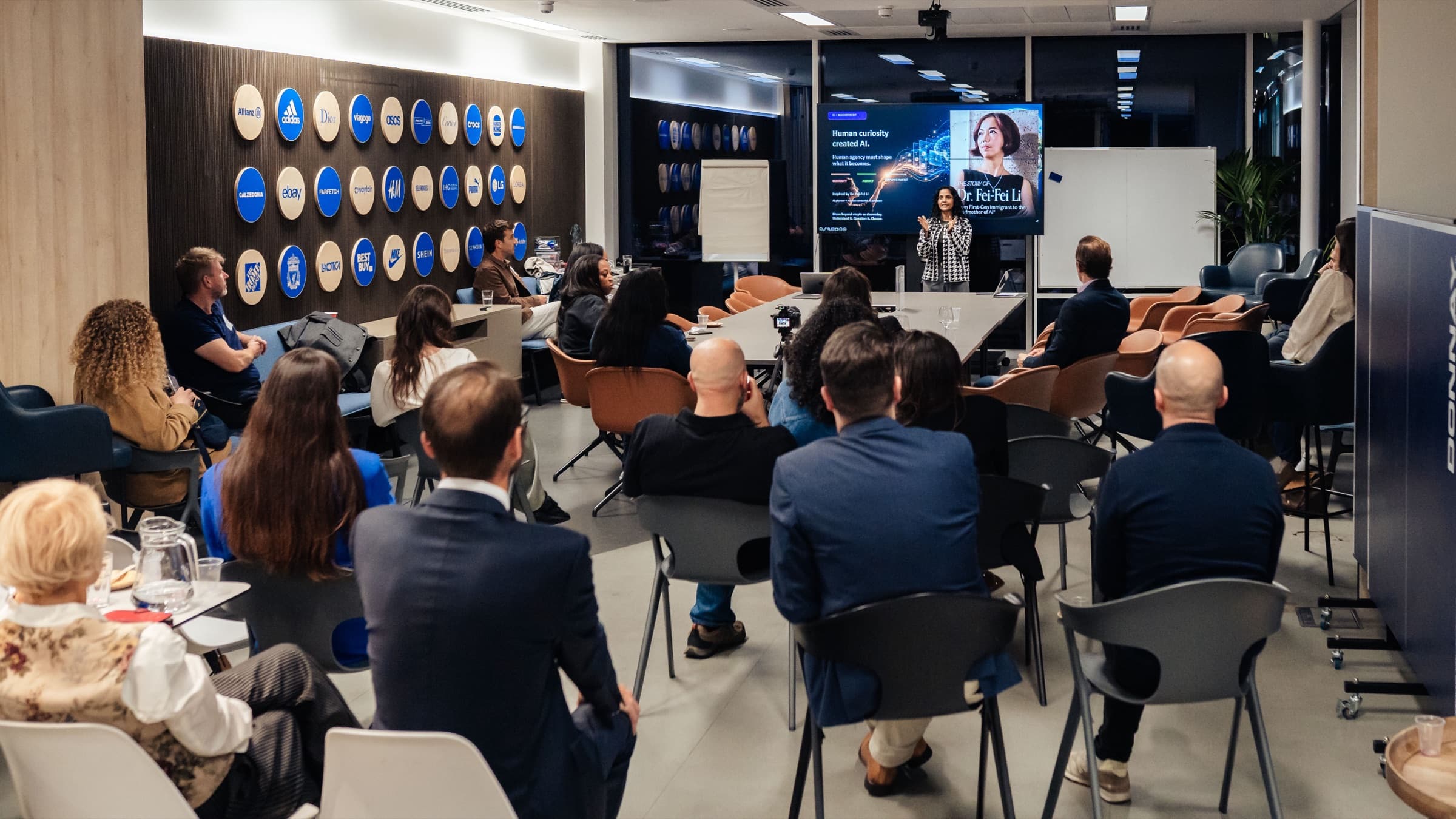
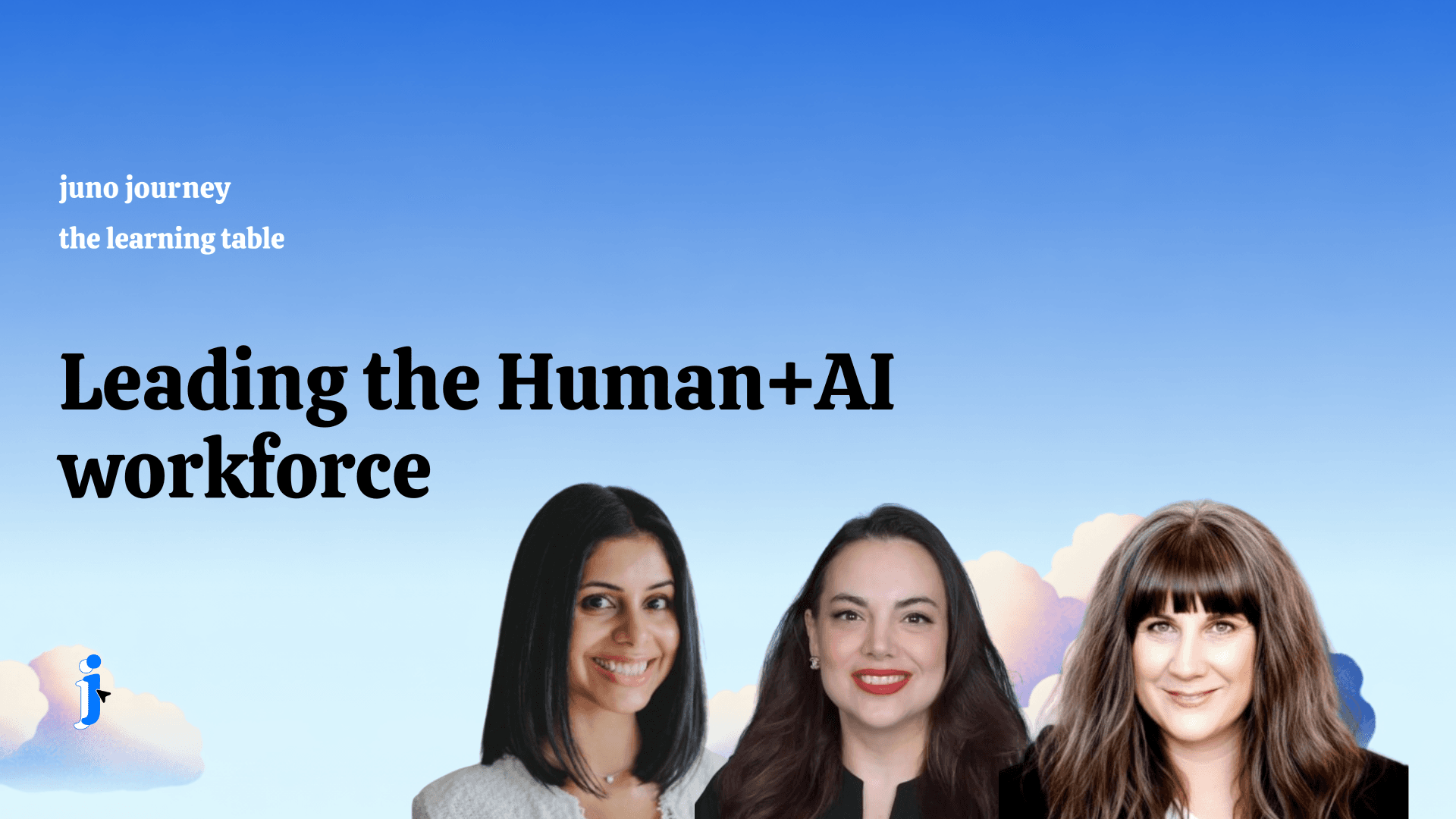
March 26th 2026 | Hosted by Klil Nevo: The Learning Table & Juno Journey
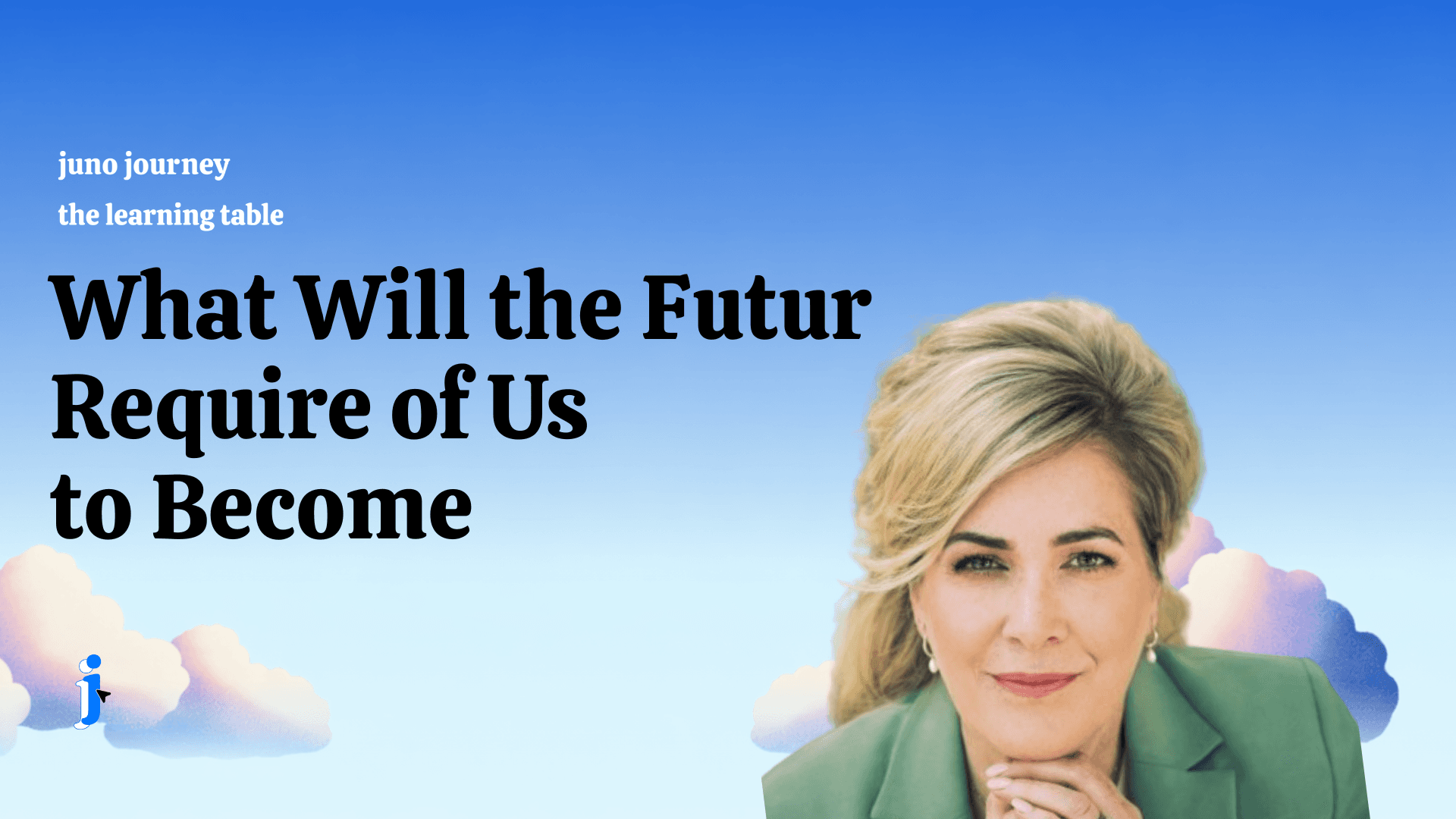
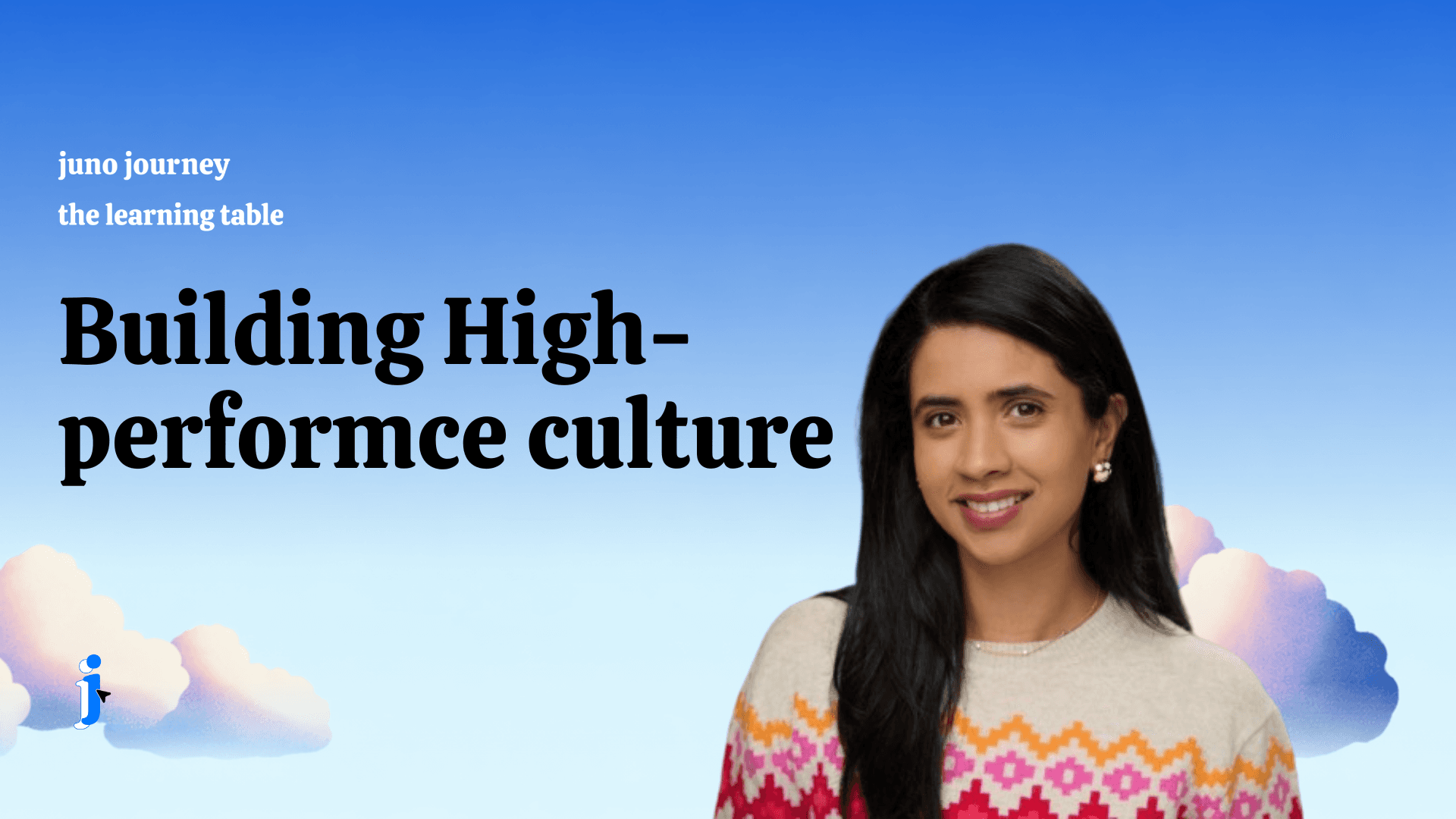
Panelists: Malvika Jethmalani, Ali Uren, and Cynthia Abbott Kerr
How HR & L&D Leaders Redesign Work, Trust, and Readiness in the Age of AI
Over the past year, something fundamental has shifted.
Not because AI tools improved.
But because AI moved from the edge of work → into the core of execution.
Employees are no longer just using AI.
They are working with it—as collaborators, copilots, and increasingly, autonomous agents.
And yet, most organizations are still operating with:
- roles designed for a pre-AI world
- leadership models built for human-only teams
- and learning systems focused on knowledge, not execution
The result? A growing gap between what work looks like today and how organizations are still structured to deliver it
This panel explored what it actually takes to lead in this new reality—and where most organizations are falling behind
The Big Shift: From Tools to Teammates
One of the clearest themes from the panel: AI is no longer a tool. It’s becoming part of the workforce.
As Malvika Jethmalani described:
- AI has moved from generating outputs → planning and executing workflows
- Work is becoming multi-step and agent-driven
- Productivity is no longer measured by individuals → but by human + AI systems
This creates three major shifts:
1. Work is being redefined into workflows
Roles are no longer static job descriptions.
They are collections of tasks executed by humans + agents together.
2. The unit of productivity has changed
It’s not: “What can this employee do?” It’s: “What can this employee + their AI system deliver?”
3. Decision-making is becoming distributed
AI is no longer just supporting decisions. It is influencing—and sometimes making—them
And most organizations are underestimating how much this changes everything.
The Hidden Risk: “Shadow AI” and the Digital Brain Drain
A surprising (and critical) insight was raised during the panel: Most AI capability is being built outside the organization.
As Ali Uren shared:
- ~85% of employees are learning AI on their own, outside of work
- Knowledge is not being captured, shared, or scaled internally
This creates several risks:
❌ Inconsistency
No shared standards for how AI is used or what “good” looks like
❌ Lack of visibility
Leaders don’t know how decisions are being made, what tools are being used, or where risks exist
❌ No capability building
If AI is not embedded into workflows → it doesn’t stick
❌ “Digital brain drain.”
Employees build valuable know-how… But it never becomes organizational intelligence
👉 The takeaway:
If AI is not embedded into the role, it doesn’t scale.
If it doesn’t scale, it doesn’t create impact.
The Leadership Gap: Managing Humans + Agents
One of the most important (and underdeveloped) areas: Leadership has fundamentally changed, but we’re not training for it.
According to the panel, leaders now need to:
1. Design human–agent systems
Not just manage people, but define:
- workflows
- decision rights
- escalation paths
- agent responsibilities
2. Act as decision orchestrators
In many cases, different agents will produce conflicting recommendations, optimized for different metrics
The leader’s role becomes: judgment + prioritization + trade-offs3. Master clarity and communication
AI exposes something we’ve always struggled with:
If you're not clear—you get bad outcomes.
Clear thinking → clear inputs → reliable outputs
4. Develop “learning how to learn.”
In a world of constant disruption:
The most durable skill is adaptability
Trust & Accountability: Where AI Decisions Get Real
When AI starts influencing:
- pay
- promotions
- performance
We move from tools → real-life impact
As Cynthia Abbott emphasized, Trust in AI comes down to three things:
1. Transparency
People need to understand:
- How AI was trained
- What data does it use
- How decisions are made
2. Accuracy & reliability
You cannot rely on generic tools or untrained models.
Especially in sensitive domains like compensation.
3. Clear communication standards
“Junk in → junk out” becomes critical at scale
👉 The new expectation: Organizations must be explicit, explainable, and consistent
The Organizational Challenge: Roles No Longer Make Sense
A powerful tension surfaced in the discussion: We’re trying to add AI skills… without redefining the role itself. But that approach is broken.
As the panel highlighted:
- Roles are becoming fluid and project-based
- Work is organized around outcomes, not titles
- Employees are expected to operate across multiple domains
This shift is moving organizations from: Org Chart → Work Chart
Where teams form around work, skills matter more than hierarchy, and structures become dynamic
Why Adoption Is Failing (And What Actually Works)
One of the most practical parts of the discussion focused on adoption.
Here’s where most organizations get it wrong:
❌ Treating AI as an HR or IT initiative
→ instead of a business transformation
❌ Adding more work
→ instead of removing low-value work
❌ Expecting people to learn on their own time
→ instead of creating space inside work
❌ Top-down push
→ instead of peer-driven pull
What actually works:
1. Leadership role-modeling
If executives don’t use AI → no one else will
2. Social learning
People adopt AI when they see: “My peer saved 10 hours doing this.”
3. Creating time to learn
Not: “Figure it out after hours, But: “This is part of your job now.”
4. Designing roles WITH employees
Not for them
5. Removing work—not just adding
If you add AI → you must remove something
The Strategic Question: Move Fast or Move Carefully?
A key audience question addressed a real tension: What if leadership isn’t ready?
The panel’s answer was clear: Not adopting AI is also a risk.
As highlighted:
- Competitors are moving faster
- Customers already expect AI-enabled experiences
- and delay = loss of competitive advantage
The shift for HR & L&D: From “support function” → to business driver of transformation
So What Should You Actually Do Next?
The panel closed with one practical focus per leader.
Here’s the distilled version:
1. Redesign roles (Ali Uren)
Start with:
- What work matters now
- What can be automated
- What humans should focus on
2. Redesign one workflow end-to-end (Malvika Jethmalani)
Not a pilot. A full transformation:
- roles
- agents
- decisions
- metrics
👉 That’s how you move from experimentation → impact
3. Fix communication (Cynthia Abbott)
- Clear inputs
- Clear expectations
- Clear standards
👉 This becomes the foundation of human + AI execution
The Bottom Line
This is not about adopting AI tools. It’s about redesigning how work happens.
The organizations that will win are not the ones with the best technology.
They are the ones that:
- redefine roles
- embed AI into workflows
- build trust in decisions
- and create clarity in execution
Because in the end:
AI didn’t change the goal.
It exposed how broken our systems already were.